
The end of waste management exemptions in Scotland: what businesses need to know
Date: 30/10/2026 | Business & Professional Services, Environmental, Regulatory Law
Businesses operating under waste management exemptions in Scotland should prepare for their expiry on 31 October 2026 as part of the transition to the Environmental Authorisations (Scotland) Regulations 2018 (EASR). They should check to ensure they have the appropriate EASR authorisation in place.
From 1 November 2026, as part of the transition to the EASR framework, any remaining waste management exemptions will no longer be valid for carrying out waste management activities. If your business currently relies on an exemption, then you must review your activities and understand what authorisation will be needed under EASR.
Depending on the activity being carried out, you may either:
- continue under compliance with General Binding Rules; or
- apply for a Registration or Permit.
To find out what is required, you will need to review the EASR pages on SEPA’s website. Do not assume that your exemption has transferred automatically.
Changes to waste activities
SEPA has also recently published amendments, following consultation, on the inclusion of a new waste activity, changes to eight existing waste activities, and changes to the compatibility of different waste activities.
The new waste activity is for the storage and treatment of clean waste scallop shells of up to 1,500 tonnes at any one time which requires a Registration.
The eight existing activities covered by the consultation which are subject to changes include:
- anaerobic digestion of waste up to 100 tonnes;
- composting in an open system less than or equal to 500 tonnes;
- storage and treatment of waste at a water or wastewater treatment works;
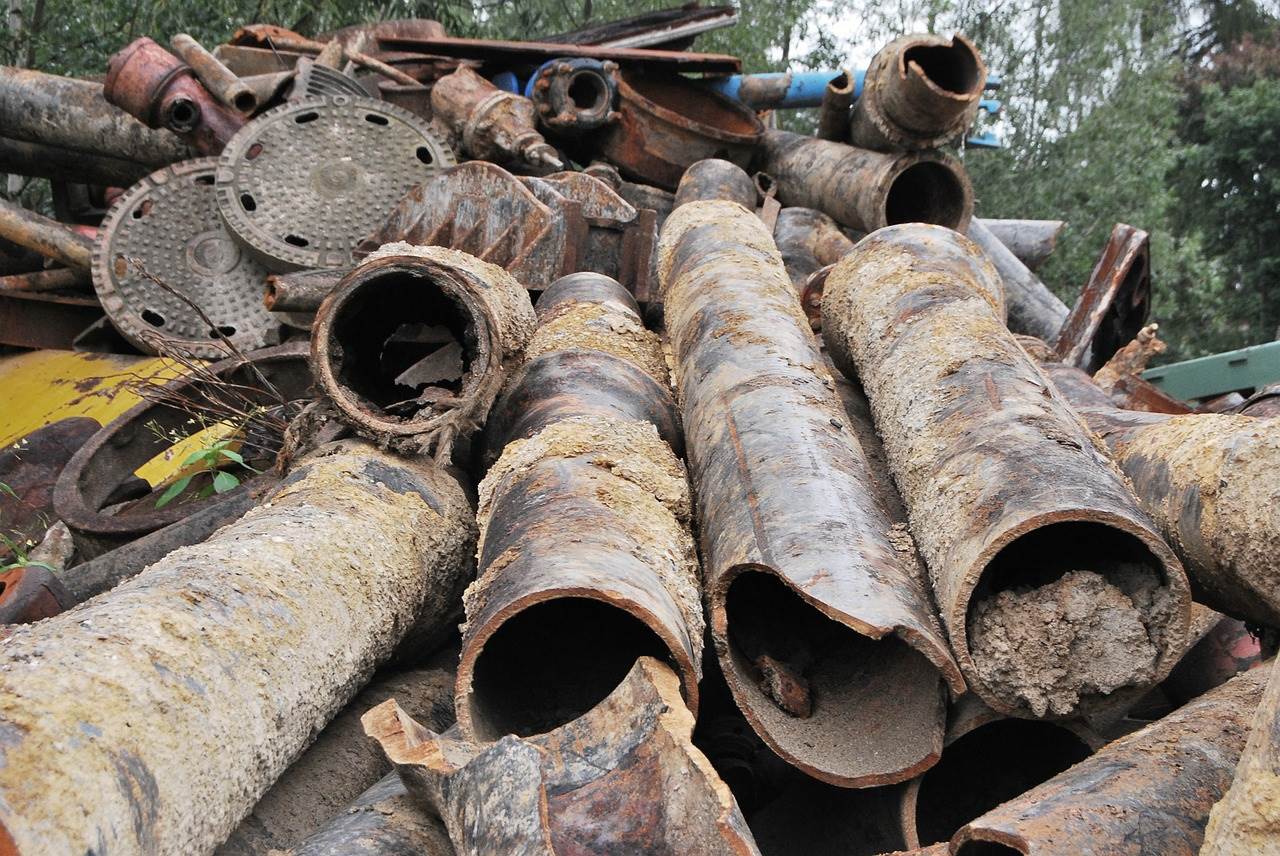
- storage and treatment of metal waste less than or equal to 10,000 tonnes;
- storage and treatment of wood waste less than or equal to 1,000 tonnes;
- storage of asbestos waste less than or equal to 40 m³;
- storage and treatment of less than or equal to 5 waste motor vehicles;
- waste electrical and electronic equipment less than or equal to 35 tonnes;
- applicants for storage of less than or equal to 10 waste motor vehicles cannot also apply for storage and treatment of less than or equal to 5 waste motor vehicles; and
- applicants for storage of waste for recovery less than or equal to 2,500 tonnes cannot apply for any other waste registration-level activity.
Where to get help and advice
For the current requirements, check SEPA’s EASR guidance and the relevant activity conditions. For the consultation outcomes, see SEPA’s consultation page and digest.
At Davidson Chalmers Stewart, we have a specialised environmental and waste team. If you have any questions or concerns, or need advice, we would be happy to help. Please contact Head of Environment, Laura Tainsh in the first instance.